

Improving your English skills can open many doors. It helps in education, work, and travel. Here are simple ways to get better at English.
1. Practice Every Day
Many learners underestimate the power of consistent, small efforts. Just 15-20 minutes of focused practice daily is far more effective than cramming for hours once a week. Your brain needs regular exposure to retain what you learn.
- Speak English with friends or family.
- Write a diary in English.
- Think in English instead of translating. (You don’t know how? Click the link below!)
Small steps every day make a big difference. Think of it like planting a seed – you wouldn’t expect a tree to grow overnight, but with regular watering, it will flourish over time.
2. Listen to English
Listening helps you understand pronunciation and speed. One of the best ways to stay motivated is to find podcasts or YouTubers you genuinely enjoy. When you look forward to listening because the content interests you, learning stops feeling like work and becomes something you want to do.
- Watch movies or TV shows in English (use subtitles if needed).
- Listen to English songs and learn the lyrics.
- Follow podcasts or news in English.
The more you listen, the easier it becomes. Your brain gradually adapts to the sounds and flow of English without you even realizing it!
3. Read in English
Reading improves vocabulary and grammar. Start with easy materials:
- Children’s books (simple words and sentences).
- News articles (short and clear).
- Blogs or social media posts in English.
Highlight new words and check their meanings.
4. Learn New Words
A strong vocabulary helps in speaking and writing. Try these tips:
- Learn 5 new words every day.
- Use flashcards (paper or apps like Quizlet).
- Write sentences with new words.
Practice using them in conversations.
5. Speak as Much as Possible
Speaking builds confidence. Don’t worry about mistakes. Try these ideas:
- Talk to yourself in the mirror.
- Join English clubs or language exchange groups.
- Use apps like Tandem or HelloTalk to chat with native speakers.
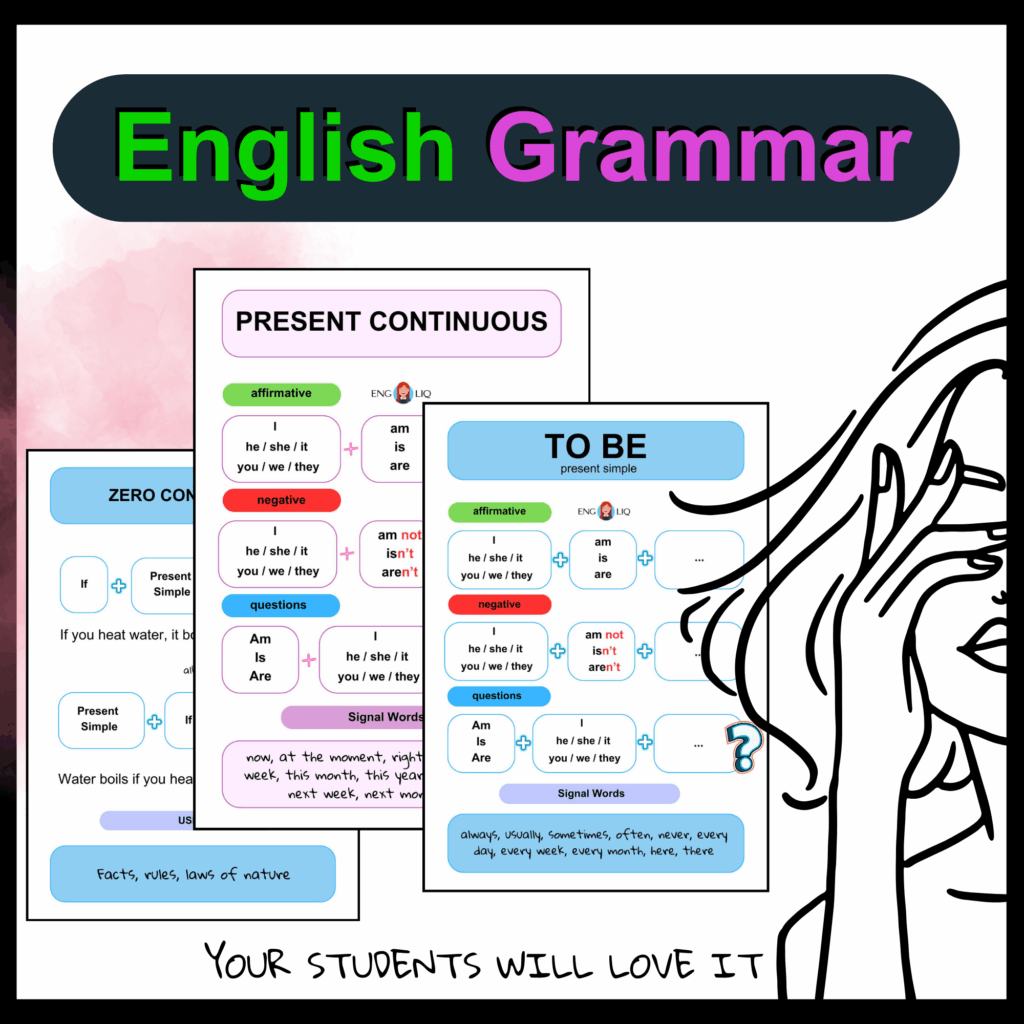
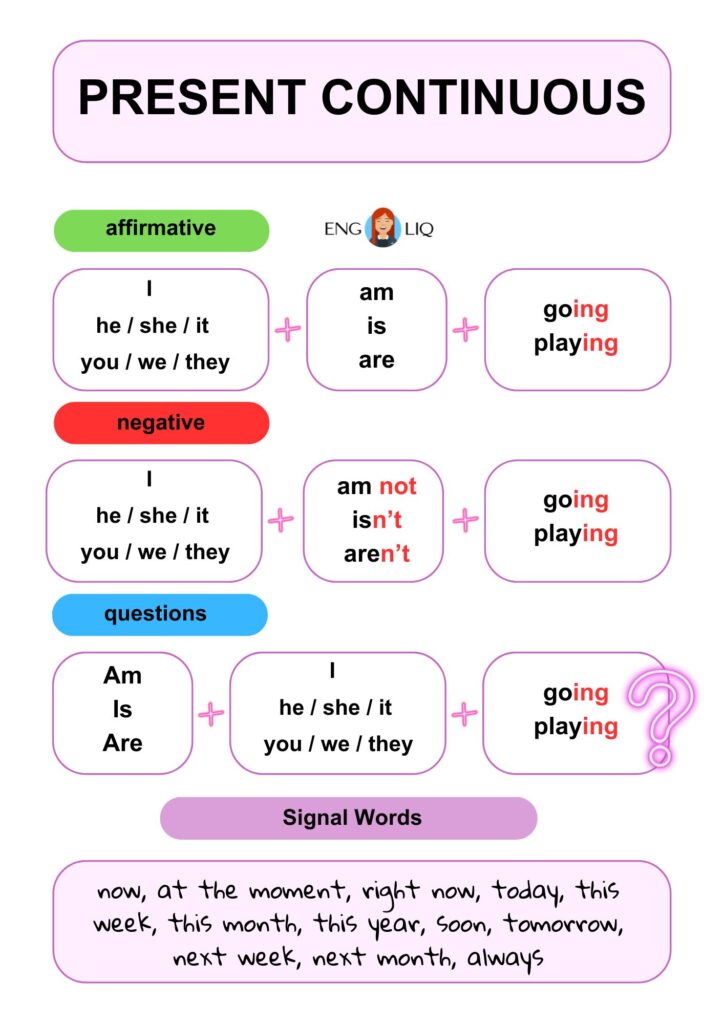
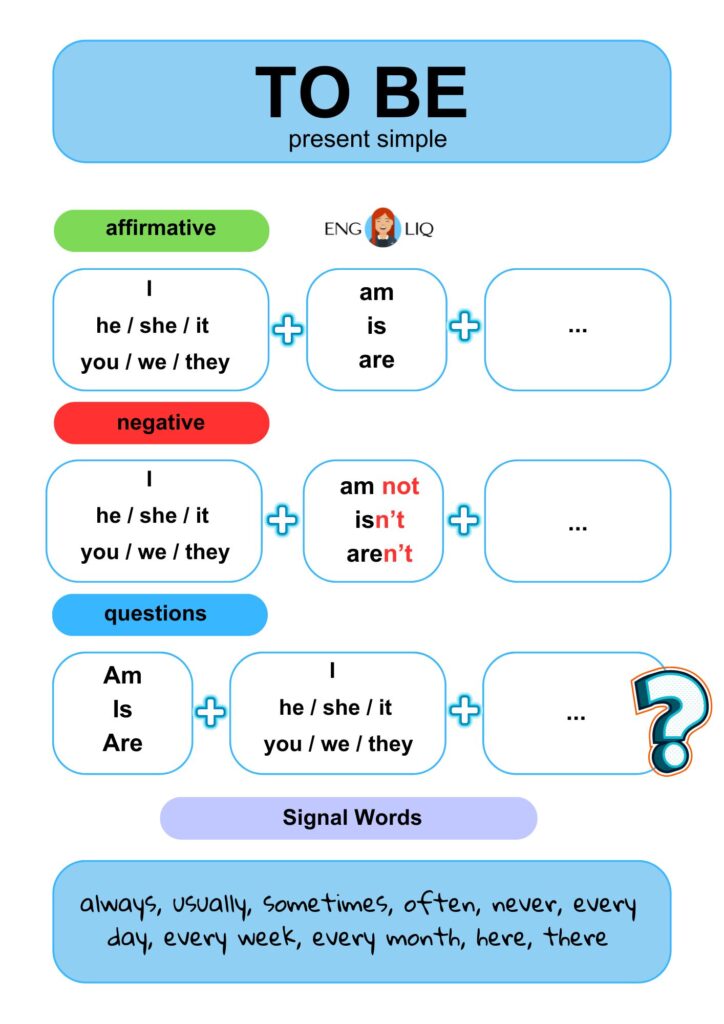
The more you speak, the more natural it feels. Many learners find grammar charts incredibly useful for remembering rules. If that’s your learning style, this might be just what you need!
Click here: English Grammar Charts // Cała Angielska Gramatyka
6. Write Regularly
Writing helps organize thoughts in English. Simple ways to practice:
- Send messages in English to friends.
- Write short stories or summaries.
- Post comments on social media in English.
Check grammar with tools like Grammarly.
7. Use Technology
Technology makes learning English easy and fun. Use these tools:
- Language learning apps – Many free apps teach vocabulary and grammar.
- Online dictionaries – Check word meanings and pronunciation.
- Grammar-checking tools – Fix mistakes in writing.
Social media also helps:
- YouTube – Watch videos with subtitles. Follow lessons, vlogs, or tutorials.
- TikTok – Short videos teach slang, pronunciation, and common phrases.
Spend a few minutes daily on these platforms to improve faster.
8. Don’t Fear Mistakes
Mistakes are part of learning.
- Nobody speaks perfectly at first.
- Learn from errors instead of avoiding them.
- Ask for feedback from teachers or friends.
Keep trying, and you will improve.
9. Set Goals
Goals keep you motivated and help you measure progress. Many learners start strong—studying for hours at first—but then lose motivation because they aren’t consistent. The key is to set small, realistic goals and stick to them.
Examples:
- Learn 50 new words in a month.
- Watch one English movie per week.
- Have a 5-minute conversation in English daily.
Track your progress and celebrate small wins. Consistency is more important than intensity. Keep going, even if progress feels slow!
10. Be Patient and Consistent
Learning English takes time, but every step counts. Many beginners make the mistake of expecting quick results and then feel discouraged when progress seems slow. The truth is, even native speakers spent years mastering their language skills!
Remember:
- Progress comes with regular practice – Small efforts add up.
- Stay consistent – Even 10 minutes a day helps.
- Make it fun – Learn through songs, movies, or games.
- Celebrate small wins – Each new word or sentence is progress.
Don’t rush. Enjoy the process, and your skills will grow naturally! Use these tips daily, and you will see progress. Start small, stay consistent, and most importantly – have fun while learning!
The most successful English learners are those who don’t give up when it gets tough. They find ways to make learning enjoyable – through music, films, chatting with friends, or reading about topics they love.